
Barrier-repair skincare diet: what actually works when less is more
When your skin barrier is compromised—redness, sensitivity, that raw feeling after cleansing—the instinct is to layer on soothing products. But one blogger's three-part recovery journey shows the opposite works better: stripping everything back to the absolute minimum.
The progression is stark. Before seeing a dermatologist, the routine was heavy: foam cleanser, toner pads, ampoule, soothing gel (layered 3–4 times), barrier cream, and sunscreen. The skin was reactive—redness flaring even at rest. After the dermatologist visit, she swung the other way, obsessing over barrier cream and applying it in endless layers. Now, months in, the routine is: cleanse (water-only most days, foam only on sunscreen days), one moisturizer applied thin, and a gentle mineral sunscreen. The redness is visibly calmer, even after a walk.
The key insight: when skin is compromised, it doesn't need more actives or hydration layers—it needs permission to breathe. Toner pads aren't doing heavy lifting; soothing gels are temporary heat relief, not repair. One barrier cream, applied sparingly, outperforms the previous layering strategy.
The Daiso essentials that actually made a difference:
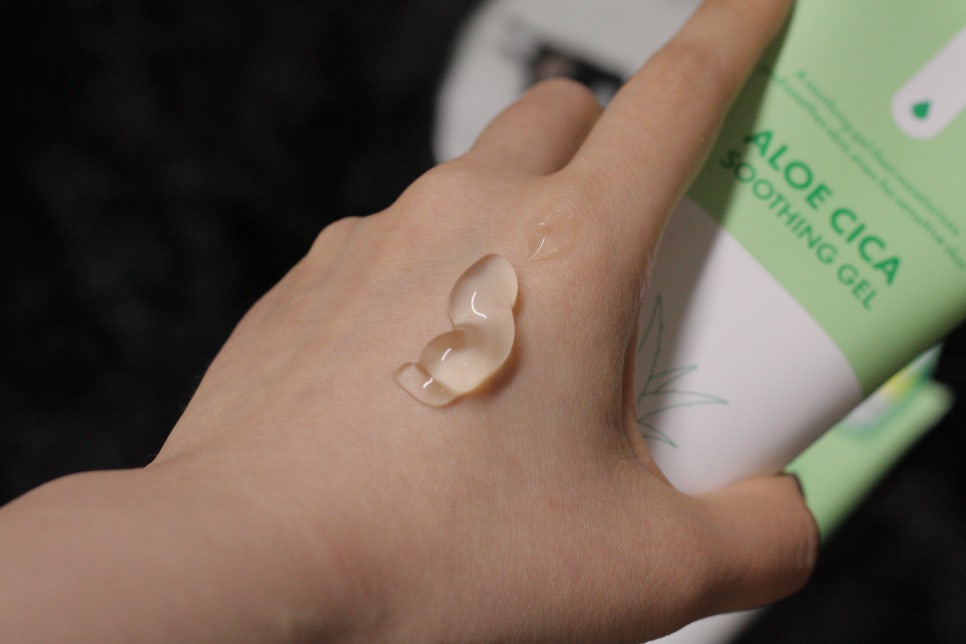
Kim Jung Moon Aloe Soothing Gel — Cools heat fast when chilled, but this is the critical part: it's not a moisturizer. The gel evaporates and pulls water from skin if you don't seal it with a cream on top. Use it as emergency heat relief, then follow with something occlusive. The blogger layered it 3–4 times expecting hydration; the dermatologist had to correct her.
Doctor Oracle Cure Sonar O2 Calming Repair Ampoule — Thin, watery formula. Doesn't irritate sensitive skin, which is the win here, but doesn't deliver dramatic calming either. Useful as a gentle step if you're rebuilding tolerance, but not essential.
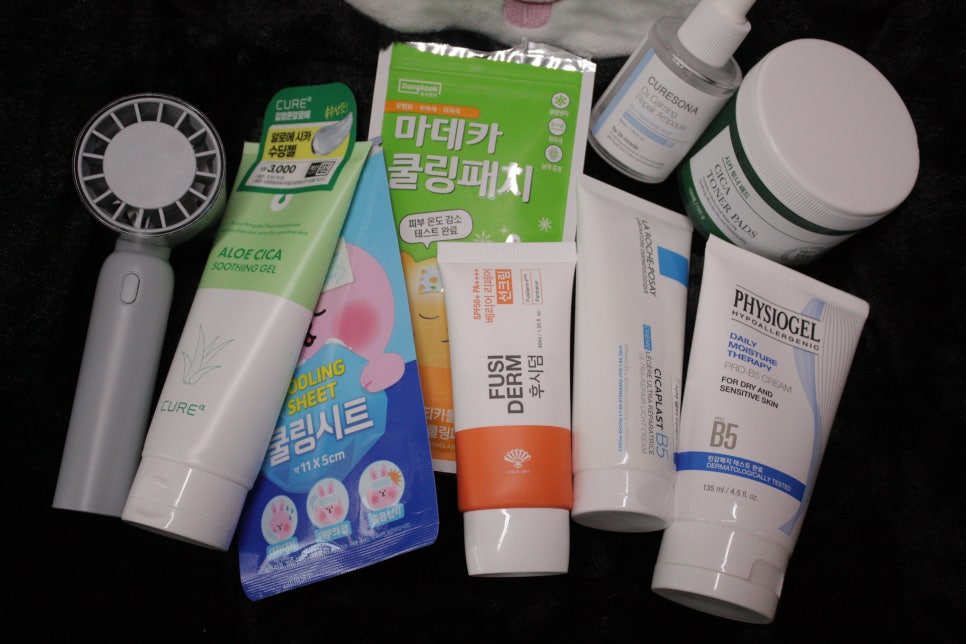
Bong-Chul Cica Pad (100 sheets, 5,000 won) — The real standout for value. Centella asiatica (bong-chul) for actual calming, and the pads hold enough essence to work as a 5–10 minute treatment. Pro tip: don't just pull sheets from the top. Tilt and rotate the container so each pad soaks up the pooled essence at the bottom—you'll get double the payload. Use these as a heat-down step before your single barrier cream.
Fushiderm Mineral Sunscreen — Mineral (non-chemical) filters sit on skin rather than absorb into it, crucial when your barrier is rebuilt but still fragile. Yes, mineral sunscreens can look chalky, but this one doesn't white-cast heavily. The trade-off: it feels slightly matte, which actually helps oily-sensitive skin.

Cooling patches (separate Daiso products, reviewed in an earlier post) and a handheld fan rounded out the heat-management arsenal—practical for flare-ups but not treatment.

The real lesson isn't about which products to buy. It's about the math: when your barrier is down, adding more is subtraction. One simple, well-chosen cream beats five steps. The blogger's skin went from visibly inflamed to noticeably calmer not because she found a miracle product, but because she stopped asking her skin to process so much input. If you're in that reactive, red phase—whether from over-exfoliation, a bad reaction, or just winter stress—this is the template: cleanse gently, apply one moisturizer thin, protect with mineral sunscreen. Let your skin recover before you layer anything else on top.
More from K-Beauty

The Idol Effect: Four K-Beauty Brands That Sold Out After Signing a Star
K-Beauty Searches Explode to 10x French Beauty: Why Global Consumers Now Buy 'What Koreans Actually Use'

Olive Young Achasan: tax-free K-beauty restocking stop in east Seoul

Dr. G's Red Blemish Line Gets a New Face in Japan

Baby DONT Cry's Ihyeon and Beni Are Now the Faces of VDL

K-makeup is softer skin, not heavier coverage—here's how
Comments (0)
You
Sign in to reply.