
Low-sugar Korean sauces that don't taste like diet food
If you've been avoiding Korean home cooking because store-bought sauces come loaded with sugar, this is the reset you need. Vivid Kitchen's low-sugar Korean cooking sauce line (five varieties: bulgogi, jeyuk bokkeum, jimichae bokkeum, anchovy, and japchae) uses allulose—a sugar substitute that doesn't read as fake—to cut sugar while keeping the depth of flavor intact. The result tastes like actual Korean food, not a compromise version.

The line solves a real problem: traditional Korean sauces rely on sugar for that characteristic sweet-savory balance, which means anyone watching sugar intake has to either skip Korean meals or spend time measuring out custom marinades. These come ready-made, so you're just prepping meat and vegetables. One bottle handles multiple dishes—the bulgogi sauce works for bulgogi, galbi-jjim (steamed chicken), and even tortilla wraps; the jeyuk bokkeum (spicy pork) works for chicken or tofu. No additional seasoning needed.
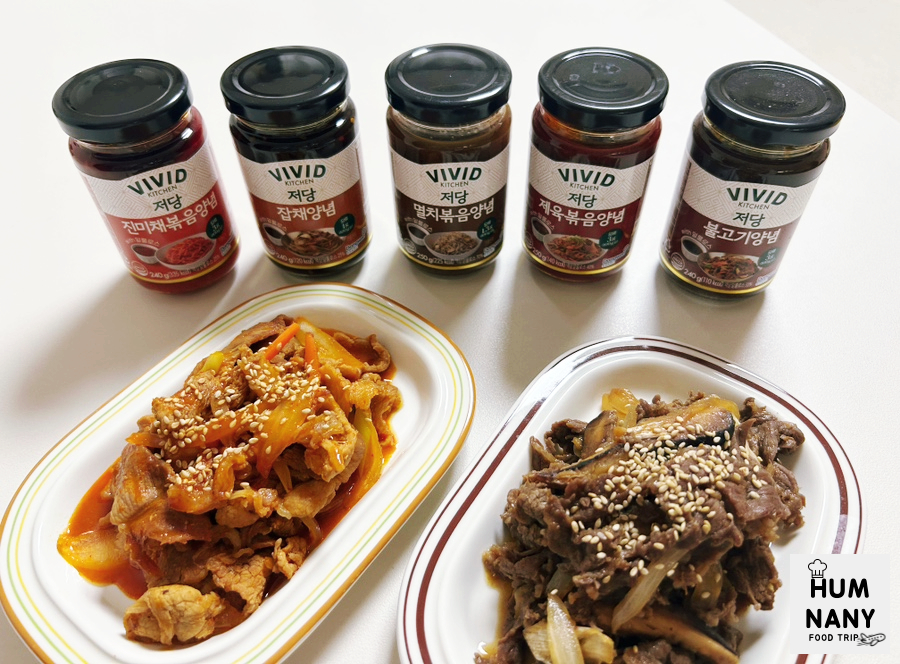
Both reviewers tested the pork and beef versions. For jeyuk bokkeum, they used 400g pork shoulder, one onion, one scallion, and half a carrot—all sliced thin. Toss everything with half a bottle of the jeyuk bokkeum sauce, then high-heat stir-fry for 10 minutes. The meat comes out tender, the sauce clings to the vegetables, and there's no separate cooking step. For bulgogi, same method: 400g beef bulgogi meat, onion, carrot, mushroom, scallion, half a bottle of the bulgogi sauce, 5 minutes on high heat.
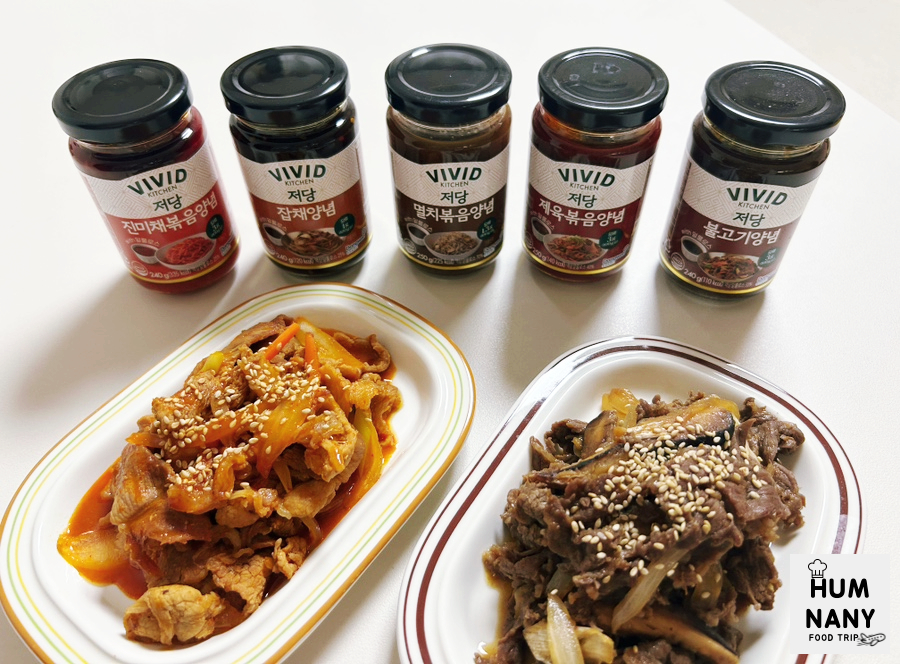
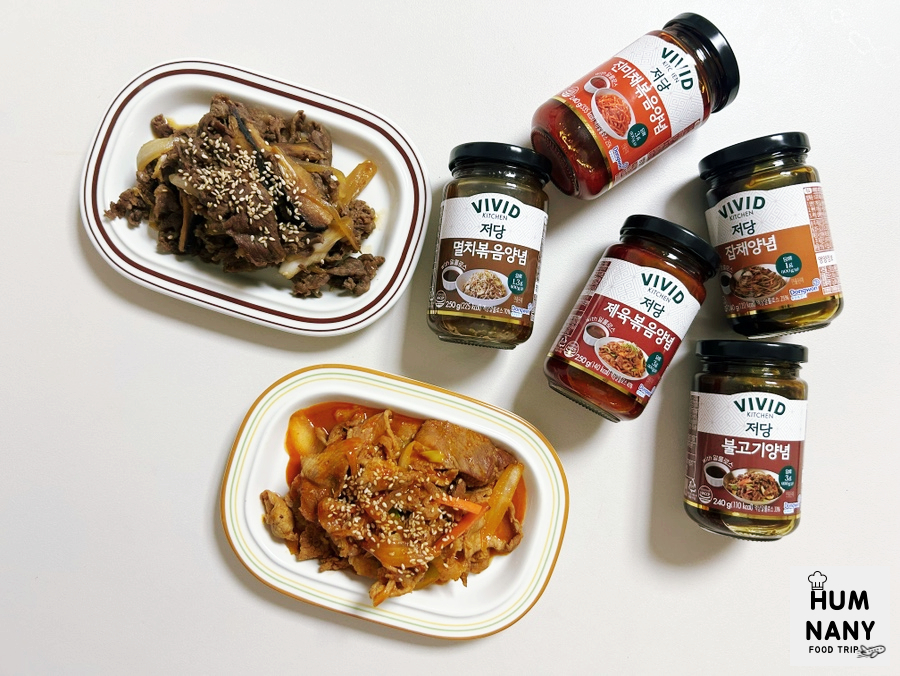
The taste is genuinely sweet and savory—not bitter or thin like some low-sugar versions. Allulose gives you the mouthfeel of sugar without the blood-sugar spike. Both reviewers noted the flavor depth stayed; you're not losing umami or that caramelized edge. One reviewer mentioned making fusion dishes with leftovers (bulgogi pizza on tortillas), which speaks to how the sauce doesn't feel like a health product—it's just a better-balanced sauce.
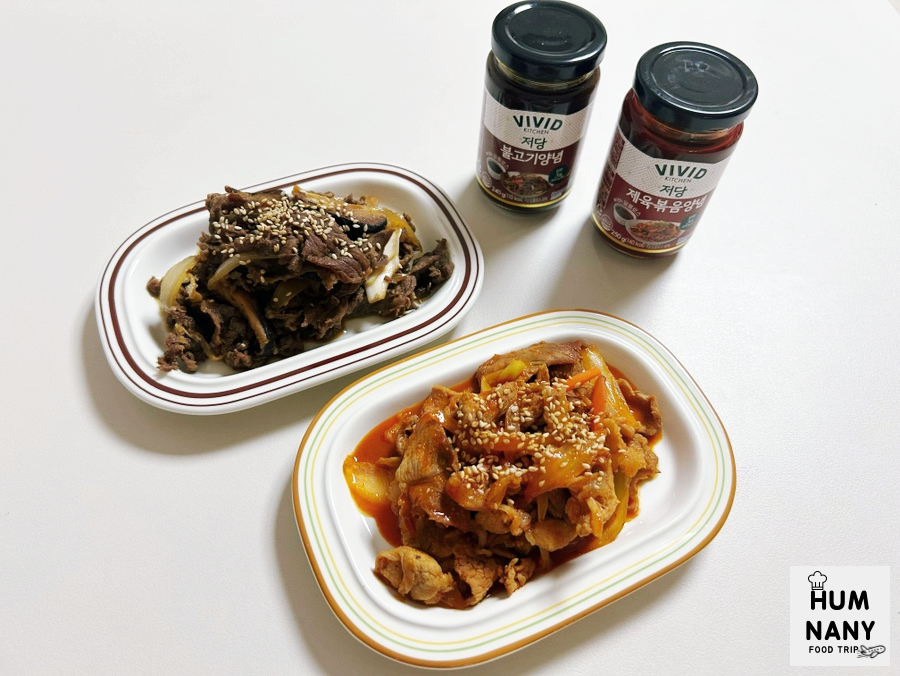
The line has sold over 10 million units, so this isn't a niche product. It's stocked at major Korean retailers. Each bottle runs roughly 120–125g and handles one large meal for 2–4 people, or multiple smaller dishes across a week. If you're cooking for a household managing sugar (whether for weight, energy, or medical reasons), this cuts the friction of "do I make Korean food tonight or pick something else." You make Korean food.
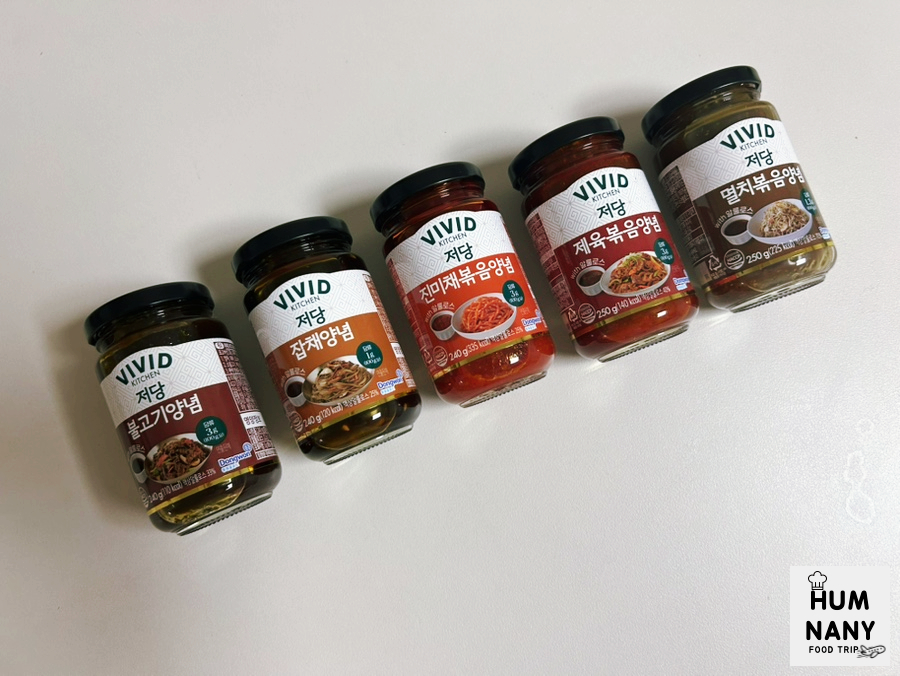
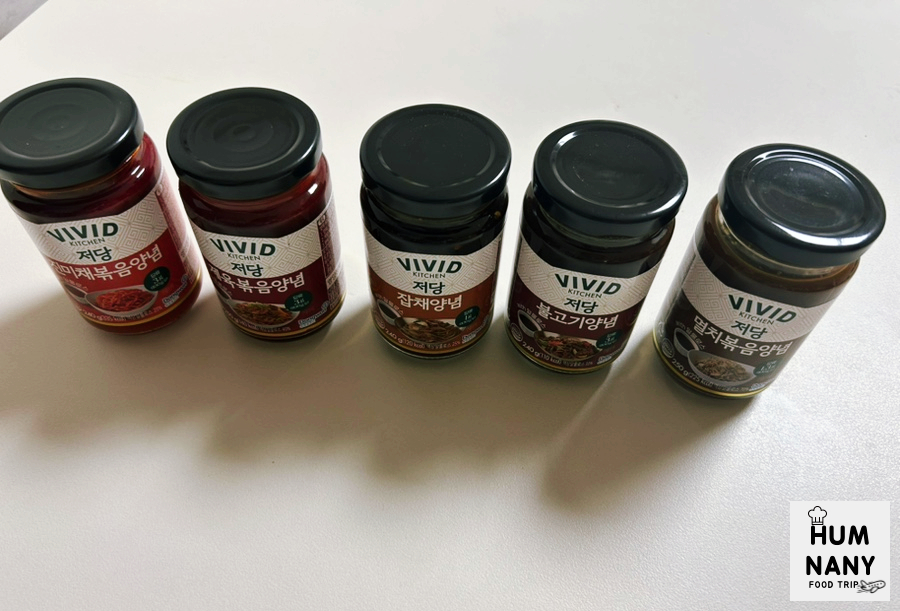
One reviewer—a working parent—specifically praised how it eliminated the guilt loop: wanting to cook Korean food, feeling anxious about the sugar, then defaulting to salad instead. With this sauce, the trade-off disappears. The other reviewers (one managing family diet, one with kids in growth years) echoed the same relief: Korean home cooking tastes like Korean home cooking, and no one's eating hidden sugar.
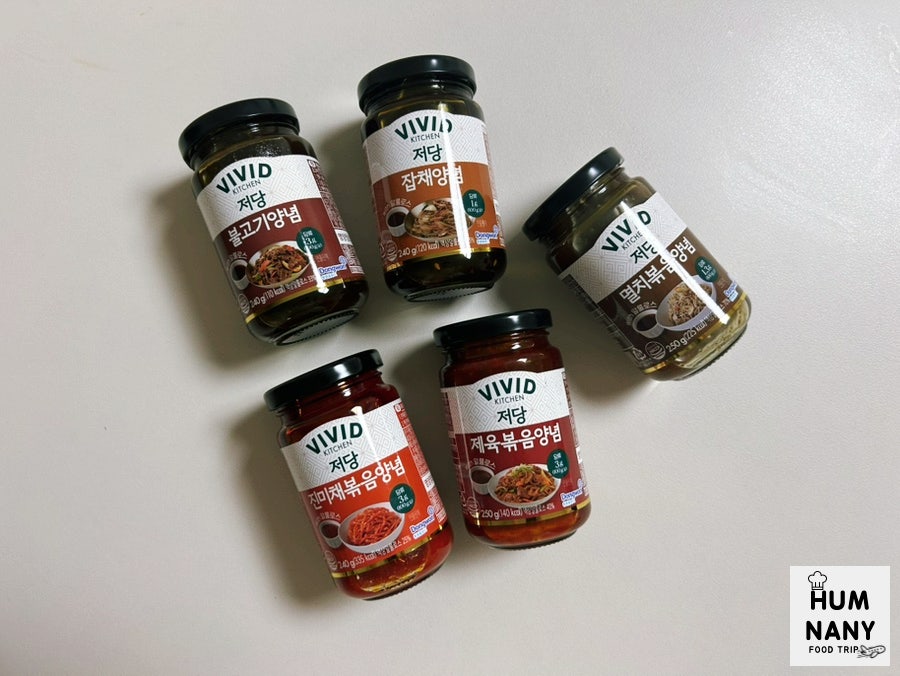
If you're rebuilding your pantry around lower-sugar cooking, grab one of each. If you're just tired of bland "diet" versions of food you love, start with whichever flavor you cook most: jeyuk bokkeum for spicy-sweet, bulgogi for classic. The rest of the line (jimichae, anchovy, japchae) follows the same logic—one bottle, multiple dishes, actual flavor.
More from K-Food

Citrus Pie Worth the Detour: Yongdap Market's Dessert Café

Double T Dining in Gangneung: Coastal Korean fine dining worth the detour

Woomooljip Bucheon: Korean comfort food in Wonmi

Woomooljip Bucheon serves the noodles that made it famous

Three convenience store combos that actually taste like something

Emart Peacock Sindang-dong tteokbokki kit: the shortcut to restaurant-level broth at home
Comments (0)
You
Sign in to reply.